


Nuclear Tourism
Editorial revision 2026
Did you say nuclear tourism? A crazy idea? Think again! You only have to look at the enthusiasm for Chernobyl, the number of books, comics, documentaries, series and films that have come out on this subject. It is possible to visit the region around Chernobyl and the exclusion zone of the power plant; guided tours are organised from Kyiv for the curious and daring. It seems that this attracts some 30,000 tourists every year. That was before the war in Ukraine, of course…
There is another “nuclear” place, less macabre and more cultural, to visit, which will allow you to experience another type of nuclear tourism. It is the visit to the first nuclear power plant in the world to produce electricity. The visit is freely accessible, it is very well organised, but you will have to travel to the United States of America to see it. The power plant is located in the state of Idaho, in the west of the country, a few hours’ drive from Salt Lake City, next to Atomic City (a locality). It is EBR-1, for Experimental Breeder Reactor No. 1 (“Experimental Breeder Reactor”), a site that has today been transformed into a museum. It was the first breeder reactor in the world.
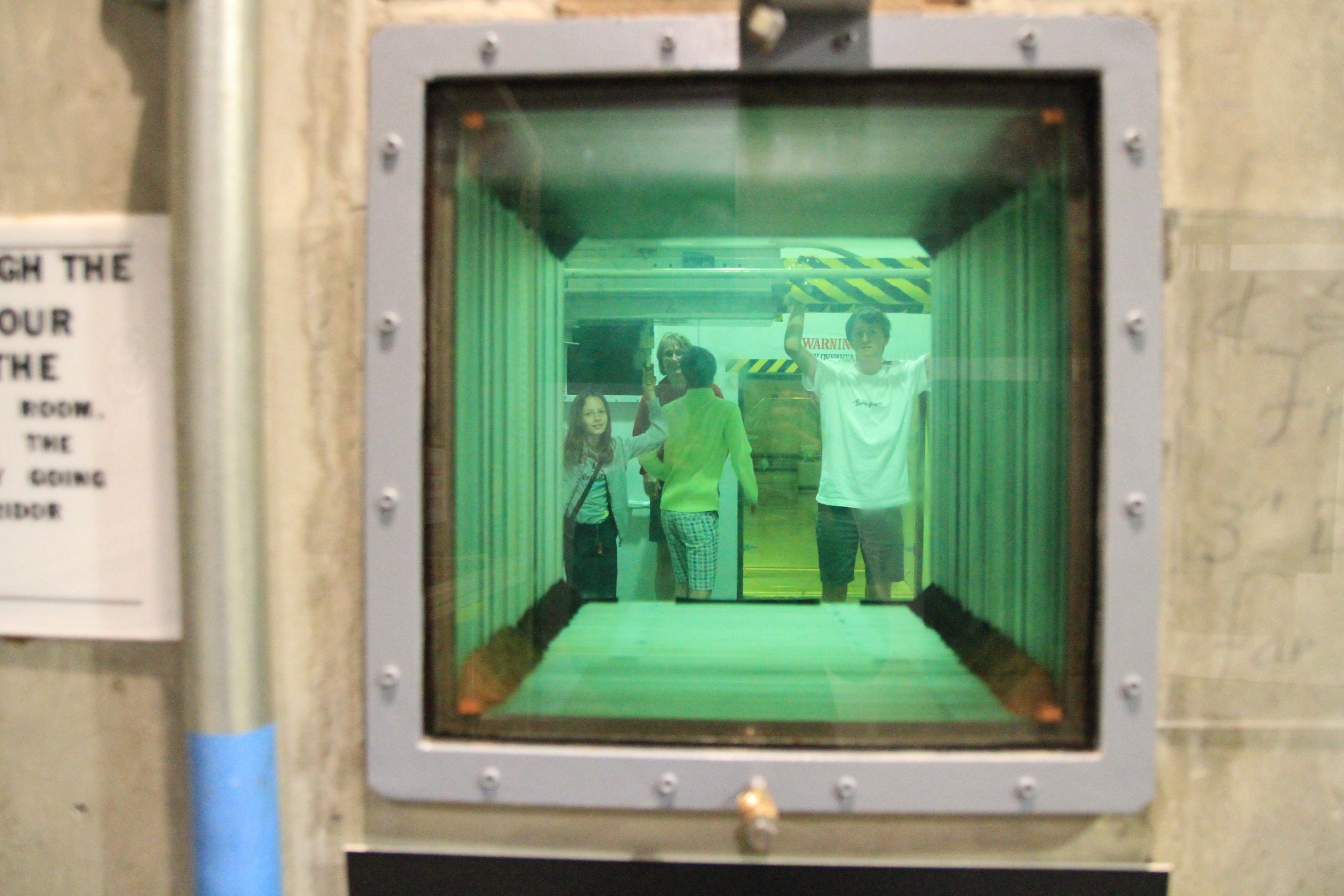
The power plant appears as a modest building far from everything, in an almost desert-like landscape. The reactor of the nuclear power plant started up for the first time in 1951. A liquid NaK metal was used to cool the reactor. It was the first reactor to produce usable electrical power, used at first for its own operation. It was an experimental reactor that was mainly used to carry out research on the operation of fast-neutron reactors. It was during one of these experiments in 1955 that an incident occurred! leading to the melting of a small part of the reactor core, without producing radiation exposure or injuries to the personnel. This event made it possible to improve the safety of fast reactors. In 1962, it was also the first reactor to produce electricity from plutonium-239 as fuel. The power plant was shut down in 1963. The visit to the facility lasts a good hour. The place is clean, harmless, explanatory panels and interactive stations are placed more or less everywhere throughout the facility. This place has a certain charm, as a steam engine from the last century might have, the “top” of technology in its time and today completely outdated.
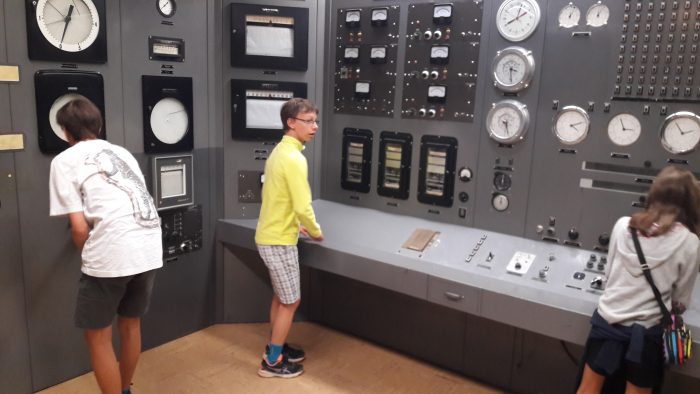
It is also possible to visit the place virtually using an application (in American English): TravelStorys GPS, then choose Idaho National Laboratory.
In France too! It is possible to visit a nuclear site, a nuclear power plant or a research centre. To register, visit the EDF website. You obviously do not enter the reactor building, but you will have a more precise idea of the production of your electricity.
Morbid tourism
The Chernobyl series was watched by a great many people. This had the consequence of creating a number of curious people wanting to go to the site.
The success of the series broadcast on HBO in the United States and OCS and M6 in France caused a boom in tourist attendance in the region where the most significant nuclear disaster in history occurred.
The author of the series “Chernobyl” urges tourists to show a little more restraint and to avoid obscene photos at the site of the disaster: “Remember that a terrible tragedy occurred here. Behave respectfully towards all those who suffered from it and sacrificed themselves,” he writes on Twitter.
To find out more: